SEO for Beginners: Complete Guide to Rank on Google in 2025
Struggling to get your website noticed on Google? You’re not alone. With millions of websites competing for attention, understanding SEO (Search Engine Optimization) is no longer optional—it’s essential for online success.
This beginner-friendly guide breaks down SEO into simple, actionable steps. Whether you’re a business owner, blogger, or digital marketer just starting out, you’ll learn everything needed to improve your website’s visibility and attract more organic traffic from search engines.
The Complete Guide to On-Page and Off-Page SEO Optimization
Search Engine Optimization (SEO) is essential for digital visibility. Understanding the difference between on-page and off-page optimization is crucial for anyone looking to improve their website’s search rankings. Let’s explore both strategies and how they work together.
What is On-Page SEO?
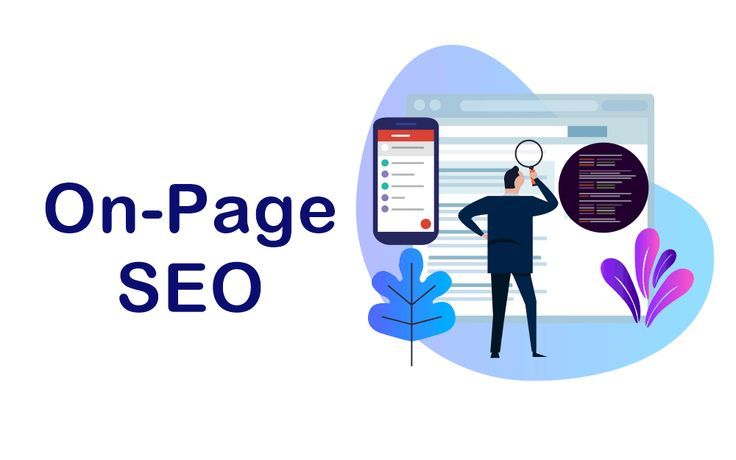
On-page SEO refers to optimization techniques you apply directly on your website. You have complete control over these elements, making them the foundation of your SEO strategy.
Key On-Page SEO Elements
Content Quality: High-quality, valuable content is the cornerstone of on-page SEO. Your content should answer user queries comprehensively and provide unique insights. Google prioritizes content that demonstrates expertise, authoritativeness, and trustworthiness.
Title Tags and Meta Descriptions: Your title tag is the first thing users see in search results. Include your primary keyword naturally and keep it under 60 characters. Meta descriptions should be under 160 characters with a clear call-to-action to improve click-through rates.
Header Structure: Proper header tags (H1-H6) help both users and search engines understand your content hierarchy. Use one H1 tag per page for your main topic, and organize subtopics with H2-H6 tags logically.
URL Optimization: Clean, descriptive URLs improve user experience and SEO. Use hyphens to separate words, include relevant keywords, and keep URLs short and readable.
Internal Linking: Strategic internal links distribute page authority throughout your site and improve navigation. Link to relevant pages using descriptive anchor text.
Image Optimization: Compress images for faster loading, use descriptive file names, and add alt text.Making your information more accessible and helping search engines understand it visually is what this does.
Page Speed: Google considers page speed a ranking factor. Optimize loading times by minimizing code, leveraging browser caching, and using a content delivery network (CDN).
Mobile Responsiveness: With mobile-first indexing, your site must provide an excellent experience on all devices. Use responsive design and ensure buttons are easily tappable.
What is Off-Page SEO?
Off-page SEO encompasses all activities outside your website that influence your search rankings. These techniques build your site’s reputation and authority
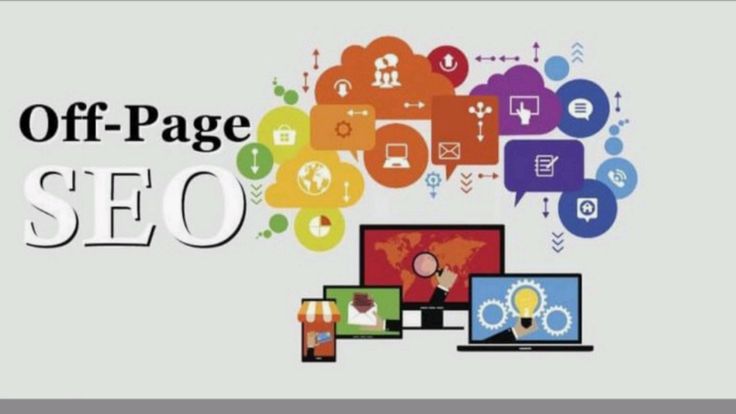
Key Off-Page SEO Strategies
Link Building: Quality backlinks from authoritative websites signal that your content is valuable and trustworthy. Focus on earning natural links by creating linkable assets like original research, comprehensive guides, or infographics. Guest posting on reputable blogs and building relationships with industry influencers also generates valuable backlinks.
Social Media Marketing: While social signals may not directly impact rankings, social media amplifies your content reach and can lead to more backlinks and brand awareness. Engage authentically with your audience across relevant platforms.
Brand Mentions: Even unlinked brand mentions contribute to your online authority. Monitor your brand across the web and reach out to convert mentions into backlinks when appropriate.
Content Marketing and PR: Publishing valuable content on external platforms establishes thought leadership. Contribute to industry publications, participate in podcasts, and engage in digital PR activities to build authority.
Local SEO Citations: For local businesses, consistent NAP (Name, Address, Phone) citations across directories like Google Business Profile and Yelp improve local search visibility.
Community Engagement: Actively participating in relevant online communities, forums, and Q&A sites like Reddit or Quora can drive traffic and establish expertise. Always provide value rather than spamming links.
Reviews and Reputation: Positive reviews on Google and industry-specific platforms enhance your reputation and can influence local search rankings.
The Synergy Between On-Page and Off-Page SEO
The most effective SEO strategies combine both techniques. On-page optimization ensures your content is discoverable and valuable, while off-page efforts build the authority needed to rank competitively.
Start with on-page fundamentals before pursuing backlinks. Ensure your site provides an excellent user experience with high-quality content and proper technical setup. Create content so valuable that other sites naturally want to link to it.
Monitor your progress using tools like Google Analytics and Google Search Console to track rankings, traffic, and backlink profiles. Adjust your strategy based on data and stay updated with algorithm changes.
Common Mistakes to Avoid
Avoid keyword stuffing, purchasing low-quality backlinks, and ignoring mobile optimization. Don’t duplicate content across pages or neglect page speed. Building links from irrelevant or spammy sites can harm your rankings. Remember to update old content regularly and optimize for local SEO when relevant.
.
Conclusion
Mastering both on-page and off-page SEO is essential for long-term search visibility. On-page optimization gives you direct control over your site’s foundation, while off-page techniques build external signals that establish authority. By implementing these strategies consistently, you’ll create a robust SEO presence that drives sustainable organic growth. Remember, SEO is a marathon, not a sprint—focus on providing genuine value to your audience.